PRESS CENTER
|
|
2025 CHINA PRINT | 2025 International Printing Industry Development Forum – Full Speech by Zhiyiharmony Technology: From 0 to 1, Creating Breakthrough Products in Digital PrintingIn an era of profound global transformations and technological revolutions reshaping industrial ecosystems, the printing industry is embracing unprecedented transformation opportunities.Driven by trends such as the rapid development of artificial intelligence, deep restructuring of industrial chains, and diversified market demands, these changes bring both challenges and new opportunities.Against this backdrop, the "2025 International Printing Industry Development Forum"
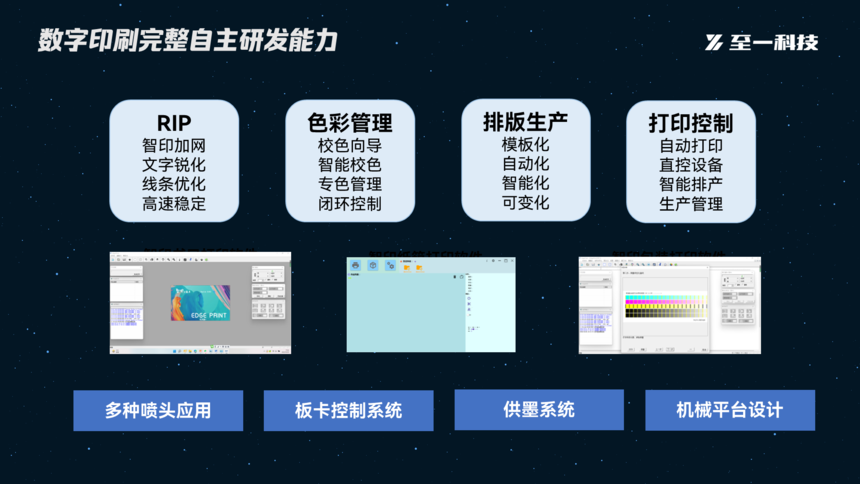
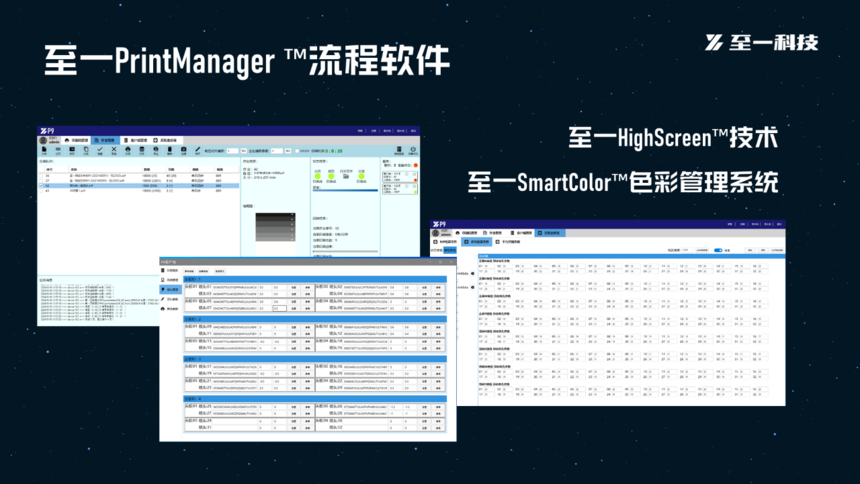
Mastering full-chain intellectual property thus becomes a crucial core for creating breakthrough products.Zhiyiharmony possesses RIP technology, color management, typesetting, printing control, and expertise in operating various print heads, head control, board systems, ink supply systems, and mechanical platforms.
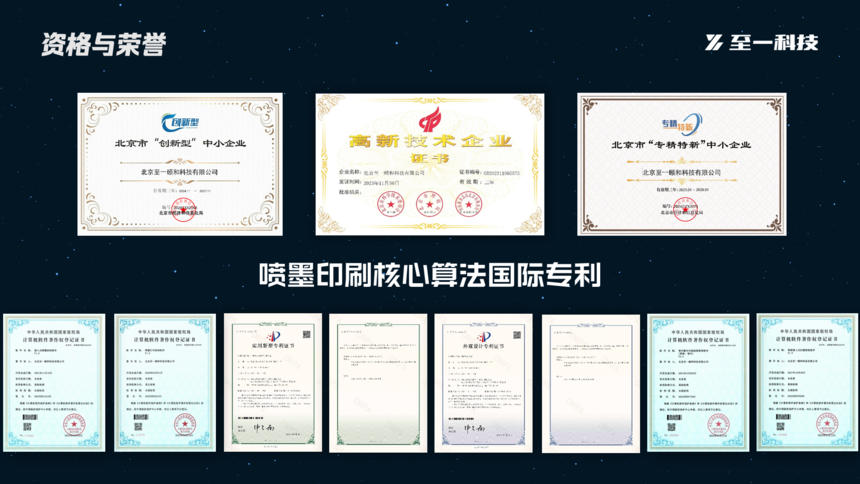
Meanwhile, the core of inkjet printing lies in the core algorithms for printing control.The breakthrough products displayed by Zhiyiharmony today incorporate globally patented core inkjet printing algorithms—an unprecedented achievement in China, given the fiercely competitive landscape.Well-known international brands in this field are often Fortune 500 companies, and China has no shortage of large enterprises in this sector. However, applying for global patents on core inkjet printing algorithms is nearly unheard of.
With such technical proficiency and qualifications, we are also a company driven by passion and responsibility.
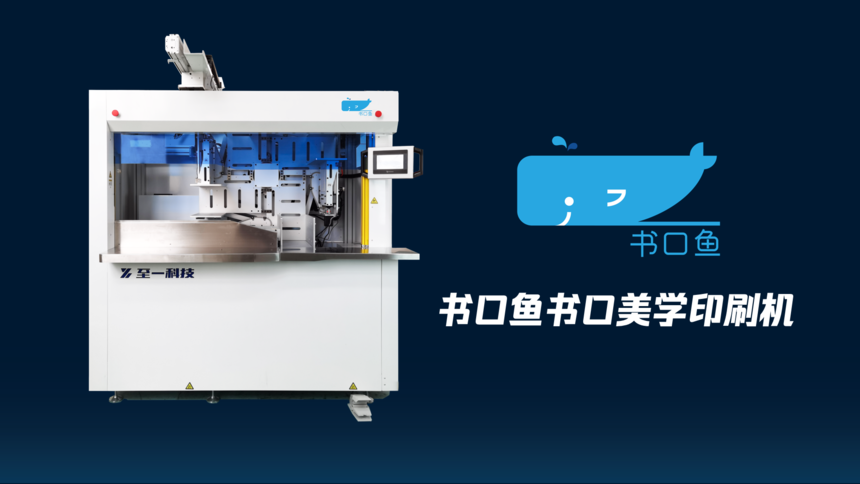
As you can see, this product may be compact, but it enables extensive applications. In 2017, inspired by a European book with beautifully hand-drawn side printing, I envisioned industrializing this art—leading to the highly automated, numerically controlled printing machine you see today. Featuring a four-station circular design for one-step book loading/unloading, it adapts to cutting and binding errors from previous processes during actual production.
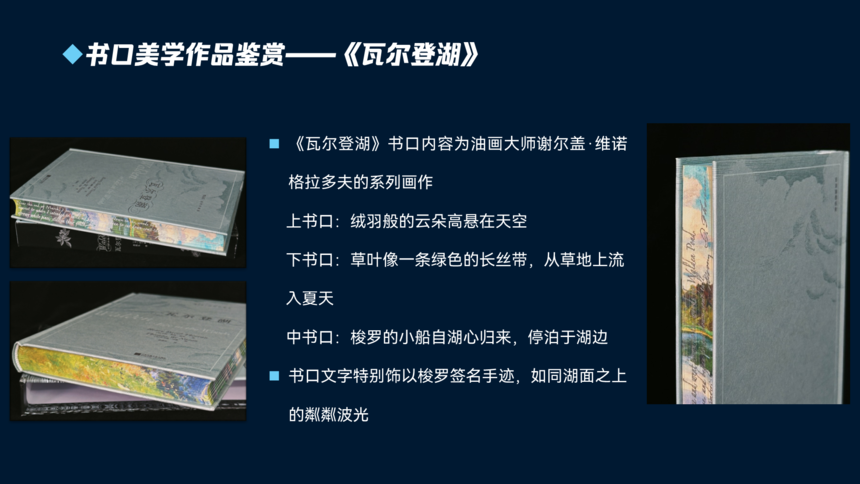
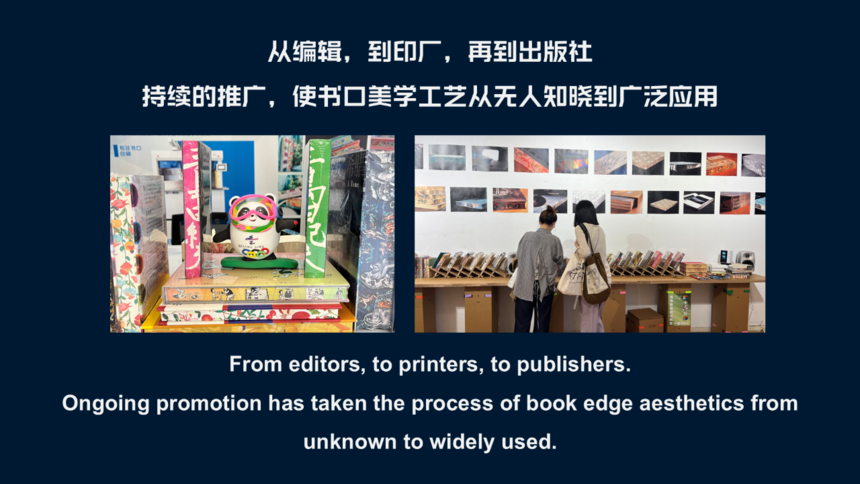
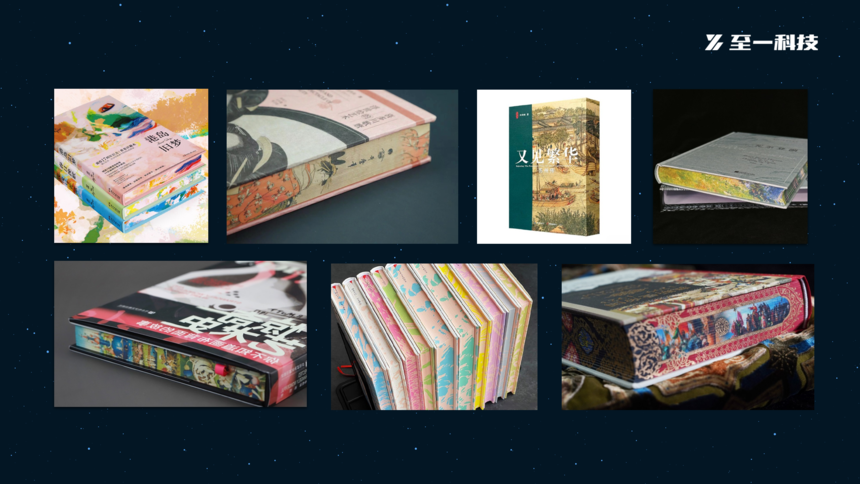
Let me share some works. Doesn't this book's beauty impress you? With a simple and elegant cover, its three edges are adorned with perfectly matched patterns, enhancing the book's completeness—this is the value of book edge aesthetics.
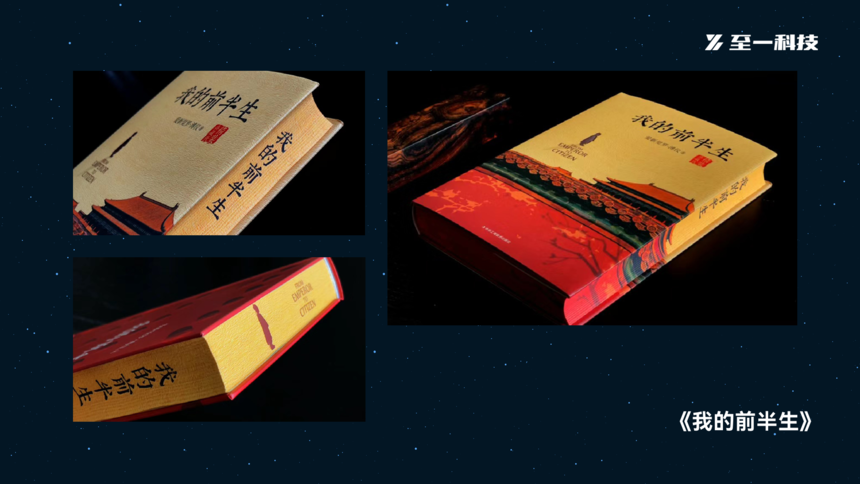
Here's another book where the cover design extends directly to the book edge, making it equally appealing. Thus, book edge printing plays a vital role in personalized book customization, channel-specific marketing, and aesthetic expression.
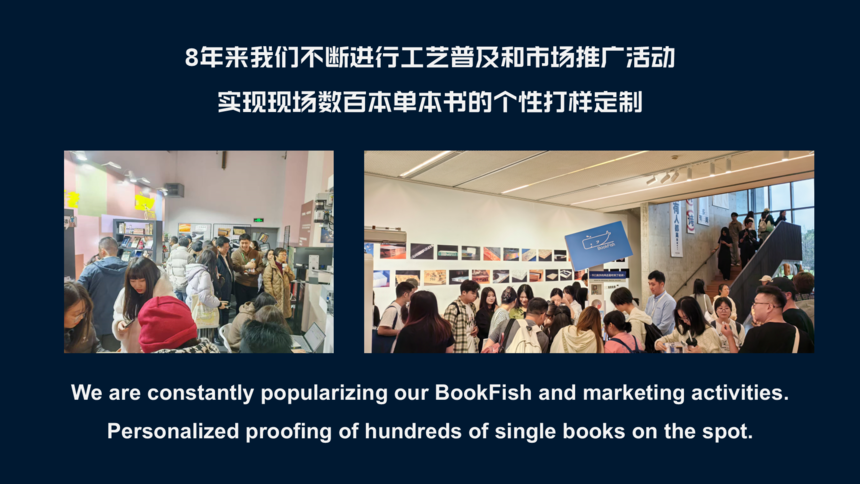
While beauty is universally appreciated, the journey from identifying a need to developing a product and gaining market acceptance is lengthy—highlighting the challenges of creating breakthrough and innovative products. Often, it's not just about product development but about collaborating and aligning with upstream and downstream partners. Over eight years, we held over 100 promotion events nationwide for publishers, editors, and readers to popularize this technology, assisting in transforming over 1,000 books through editor interactions—driving overall industry progress.
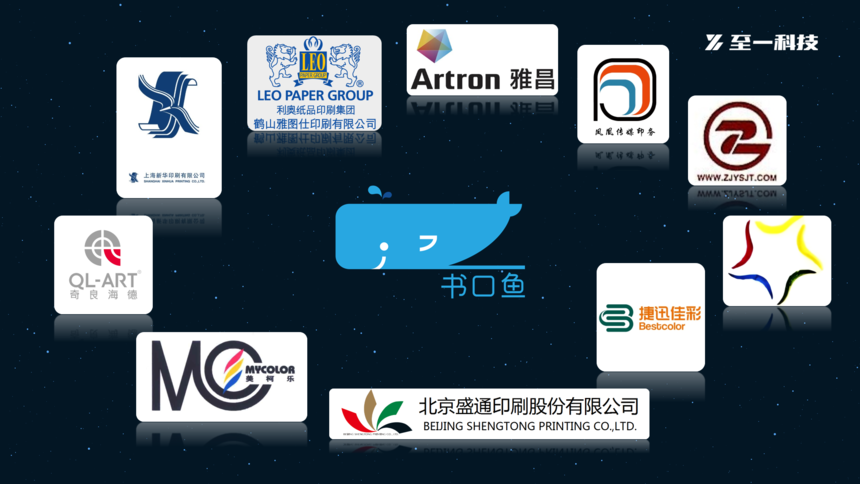
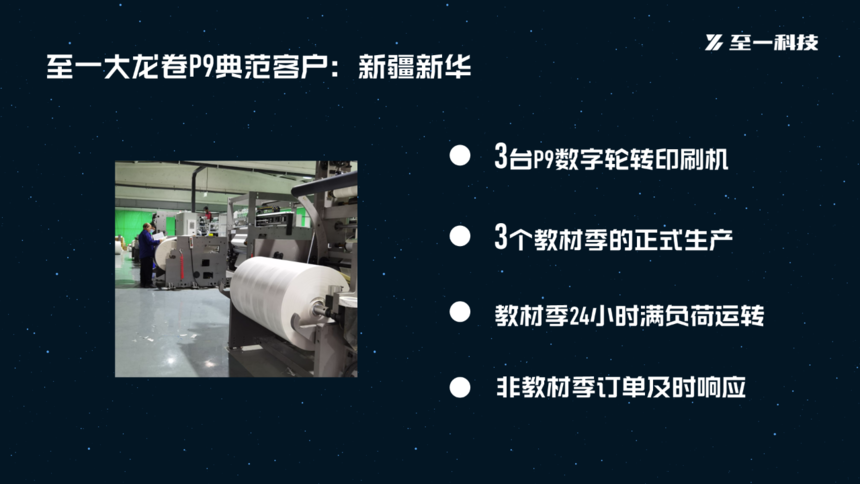
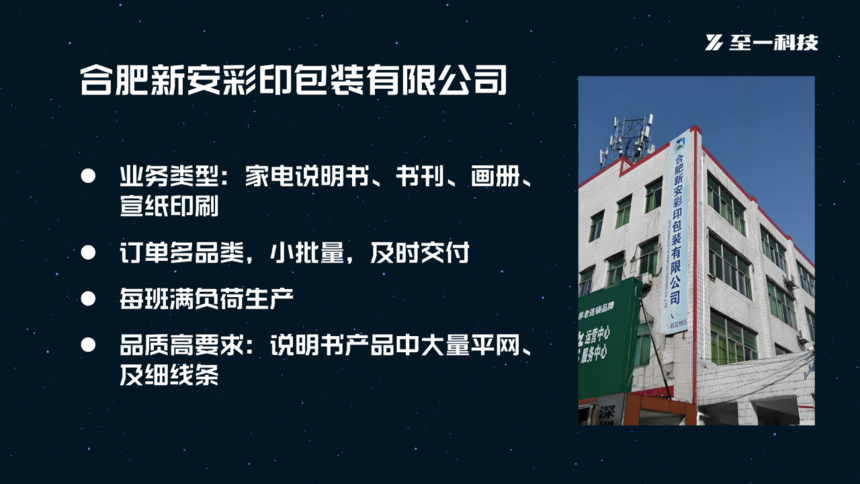
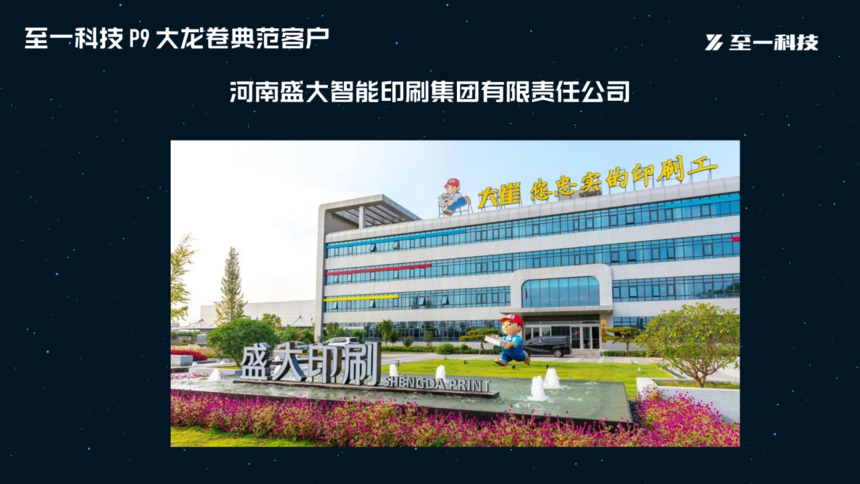
Receiving extensive customer feedback during production, this original product now sells globally. In China, renowned enterprises like Artron, Yatoo, Shengtong, Qiliang Haide, Shanghai Xinhua, Jiexun Jiacai, and Xinjiang Xinhua have adopted our equipment to serve upstream publishers.
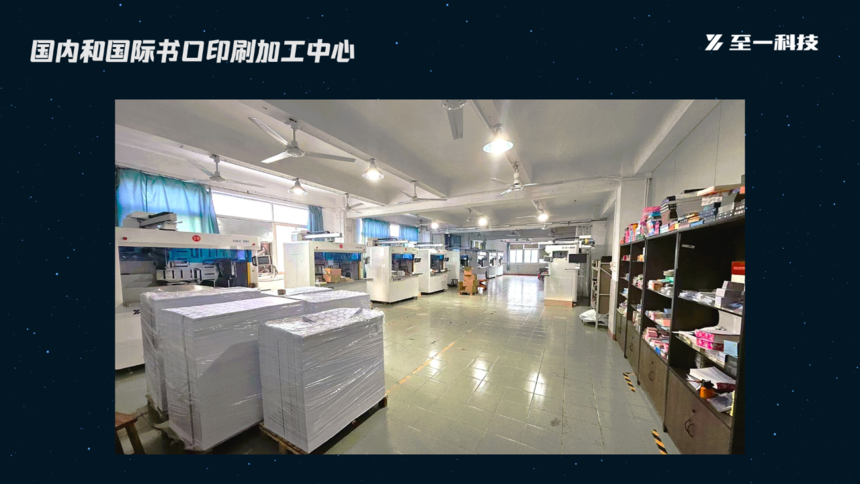
Knowing that only a few companies can purchase the equipment, we addressed the challenge of serving numerous publishing printers by establishing book edge printing centers in Beijing, Shanghai, Shenzhen, and many global countries. Each center houses multiple machines for mass production, serving hundreds to thousands of local publishers—promoting the technology in this way.
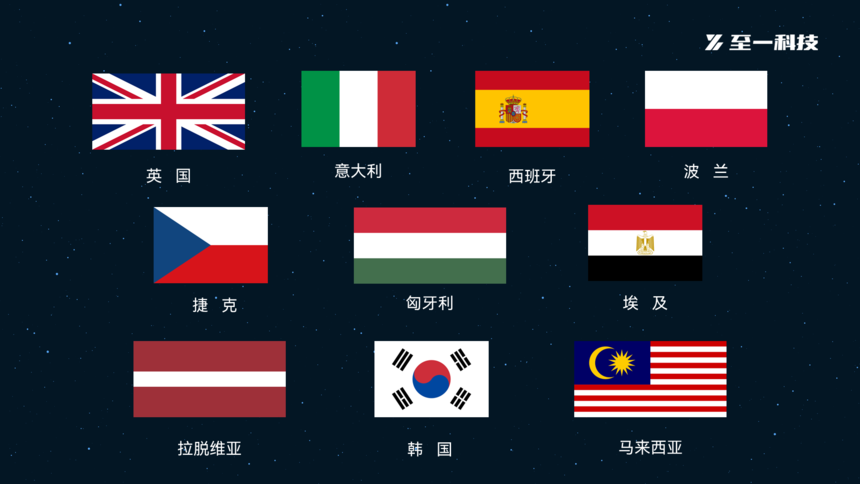
Thus, customers in the UK, Italy, Spain, Poland, the Czech Republic, Hungary, Egypt, Australia, and more now use our products.
In this niche field, Zhiyiharmony's BookFish has become the global champion of China's inkjet printing, outperforming equipment from two top European countries. This leadership stems not only from cost-effectiveness but real application advantages. Let me share a customer case.
This is Clays Ltd. in the UK, a 200+ year-old company and the largest book printer in Britain. Our clients in Italy and Spain are similarly prestigious, setting higher standards that enhance our products' international competitiveness—this is just our humble beginning.
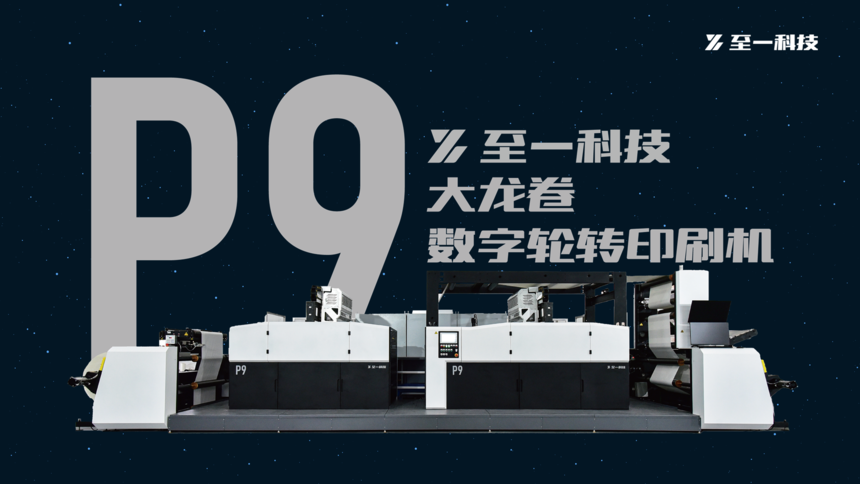
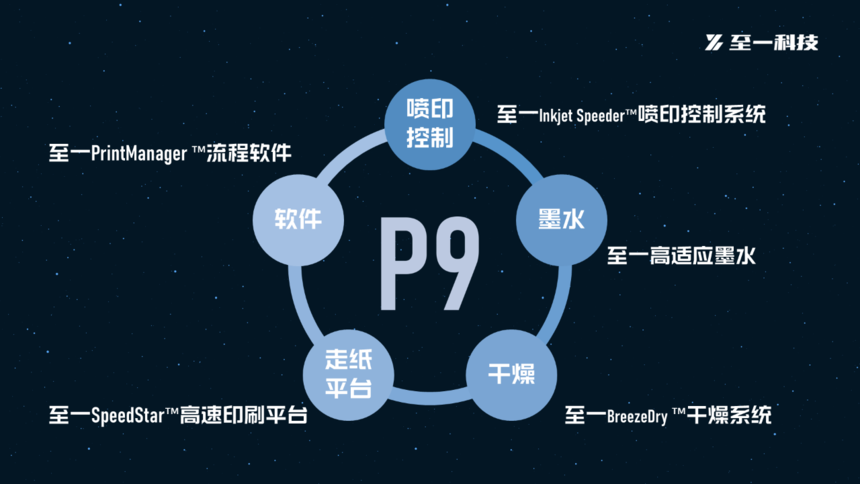
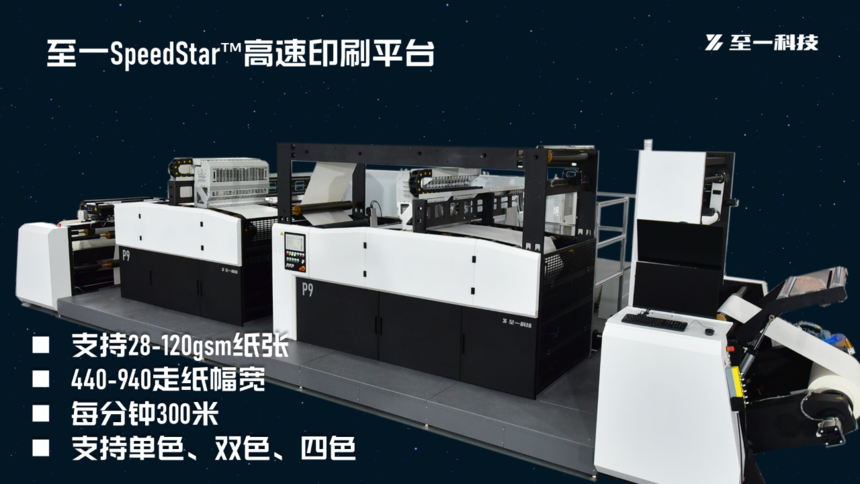
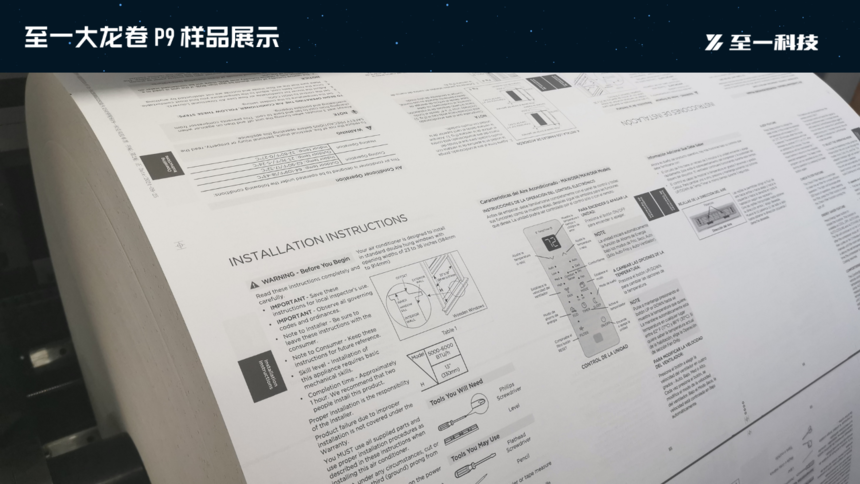
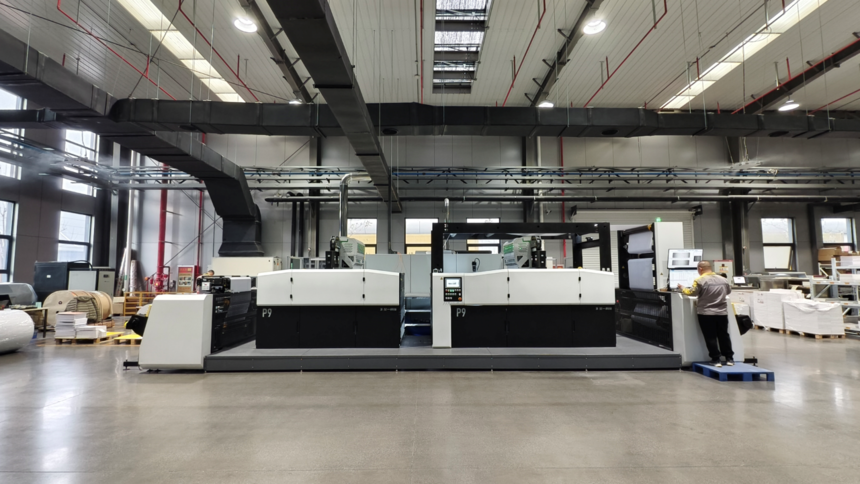
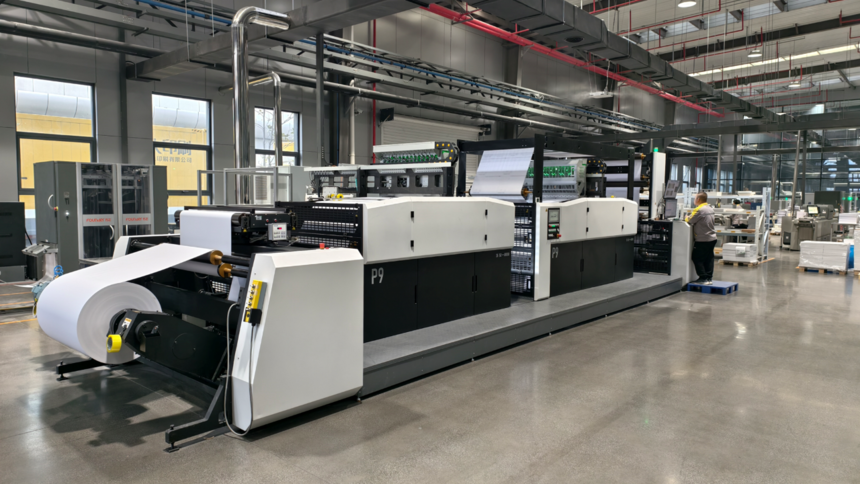
While BookFish is an original product, what else is Zhiyiharmony pursuing? We aim to address mainstream production scenarios and help China's inkjet printing gain global prominence in major market segments.Thus, we created the P9 Digital Rotary Printing Machine. Its breakthrough development from 0 to 1 originated from collaboration with Xinjiang Xinhua Printing, industrialized under the innovative guidance of General Manager Lu Ye.
Why? We are always how to embody the new productive forces of the printing industry. Focusing on book printing, how should we leverage these new forces?
And orders for 10,000 copies, all produced in one factory. Should we establish a quick-print digital center for small orders within large printing plants? This doesn't seem like an optimal solution.
Thus, we aimed to truly solve the pain points of traditional printing using digital printing technology—this is our focus and the mission of innovative breakthrough products.
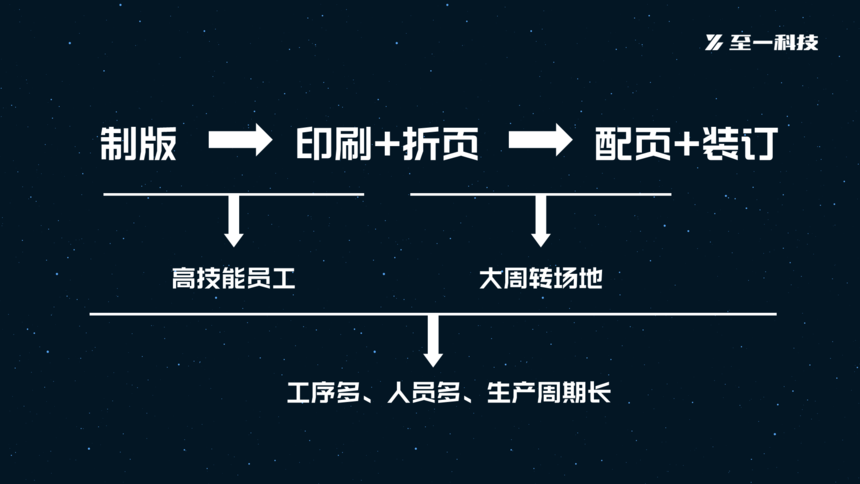
First, let's review the traditional printing process: from plate making to printing, it relies heavily on skilled workers, who are increasingly hard to find—high salaries and low career appeal deter newcomers. The folding and gathering require vast space. Overall, numerous processes, heavy labor, long cycles, and seasonal fluctuations in book printing make operational costs difficult to control.
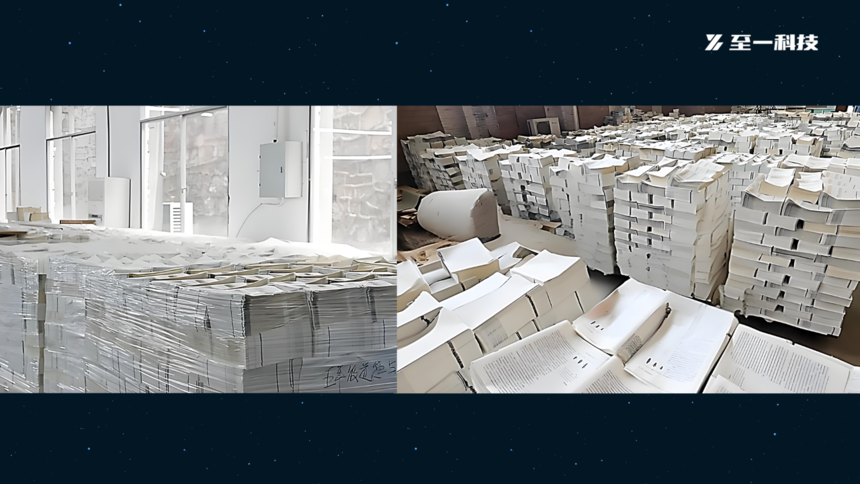
This scene is familiar: at least twice a year, endless signatures need sorting, counting, and stacking—a tedious task.
Can we achieve fewer processes, faster transportation,and on-time delivery? Many pin hopes on digital printing.
But let's examine most current digital printing processes in book publishing.
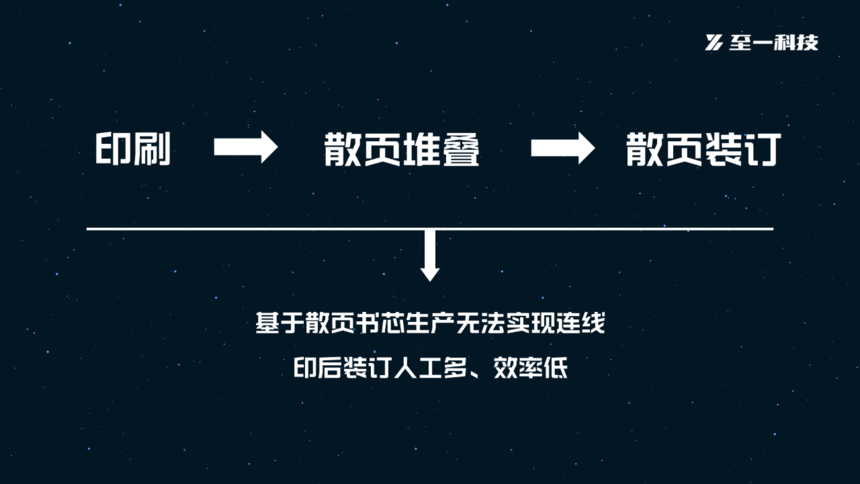
They all go from printing to loose-sheet stacking to loose-sheet binding. This process cannot achieve high-efficiency automated production for loose-sheet binding—we can only use 500-copy/hour perfect binders, while our 10,000-copy/hour binders are useless in this scenario.
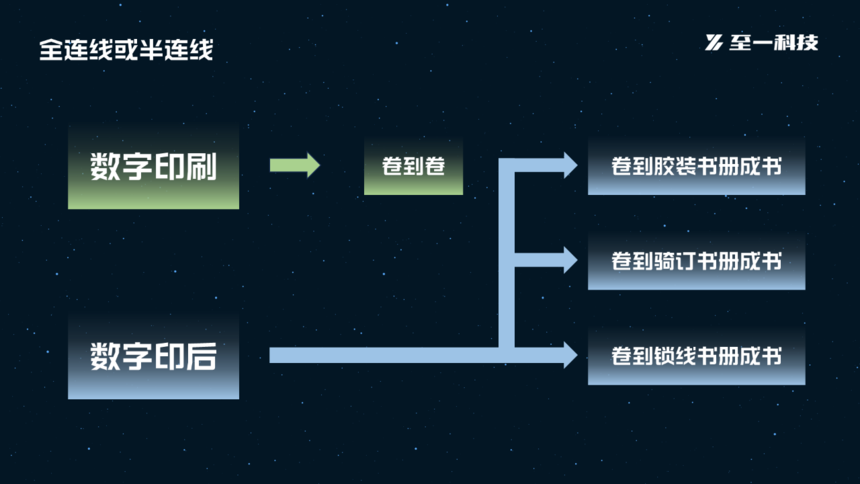
How should we truly understand on-demand printing (POD)? We believe POD should not end with digital printing; it should be an integrated workflow for complete book delivery.
Ideally, a fully connected workflow would turn paper into finished, cut books. However, this is challenging to achieve before dedicated machines and integrated business scenarios are in place.For business flexibility, we recommend at least adopting a semi-connected production mode. What is semi-connected production? Printing focuses on its process, while binding is handled by automated binding lines—printing operates in roll-to-roll mode. Post-printing converts rolls to perfect-bound, saddle-stitched, or thread-stitched books, connecting post-printing processes. Thus, true POD is jointly completed by digital printing and digital post-printing enterprises.
|